7 Best Kubernetes Monitoring Tools in 2026

Kubernetes is the main part of modern cloud-native infrastructure. It’s also an ultimate solution for automating deployment and managing containerized applications. It allows businesses to handle complex workloads with ease, ensuring reliability and efficiency across distributed systems. But, once Kubernetes is up and running, keeping it healthy isn’t as simple as it sounds.
With multiple nodes and workloads constantly interacting, issues like performance bottlenecks and failed deployments can quickly arise without proper visibility.
Now what’s the solution? To Monitor? Yes it’s! You can manually monitor Kubernetes clusters. You can check logs, CPU usage and pod statuses, but let’s be honest, that’s nothing but a massive waste of time and energy.
Manual monitoring can’t keep up with Kubernetes’ fast-paced, dynamic nature. We’re gonna talk about AI-powered best kubernetes monitoring tools. By using smart, automated monitoring tools, you can gain real-time insights, detect anomalies instantly and predict failures before they impact performance, saving you valuable resources while boosting operational efficiency.
In this blog, we’re diving deep into the 7 best Kubernetes monitoring tools that make cluster management smarter and faster. We’ll explore what makes each tool stand out, the unique features they bring to the table, and even break down their pricing, so you can find the perfect match for your business needs.
Let’s move ahead and discover the tools that can transform the way you monitor your Kubernetes clusters! 👍
What are Kubernetes Monitoring Tools?
Kubernetes monitoring tools are specialized platforms that help you keep track of what’s happening inside your Kubernetes clusters in real time. You can take it like your eyes and ears inside the complex, ever-moving world of containers, nodes and pods.
These tools back-to-back collect data about your system’s performance, health and resource usage and then visualize it in an easy-to-understand dashboard. In easy language, instead of manually checking every cluster or pod (which can be a big problem), Kubernetes monitoring tools automate the process and alert you instantly if something’s wrong.
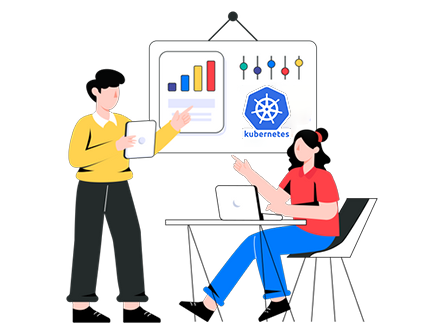
They help identify performance bottlenecks, resource leaks and scaling issues before they turn into downtime. The best part is that they simplify the chaos of Kubernetes into neat, actionable insights, saving you time and tons of operational headaches.
Top 7 Best Kubernetes Monitoring Tools in 2026
Now that we know what Kubernetes monitoring tools do and how they make life so much easier for DevOps teams, it’s time to explore the best options available. Below, we’ve listed the Top 7 Kubernetes Monitoring Tools for 2026, each with a quick overview of their features, pricing schemes and unique advantages.
⏰ TL;DR:
1. Prometheus – Overall Best Kubernetes Monitoring Tools
2. Datadog – Best Kubernetes Monitoring Tools
3. Dynatrace – AI-Powered Kubernetes Monitoring Tools
4. Lens – Most Popular IDE for Kubernetes Monitoring Tools
5. Sysdig Monitor – Best Cloud Kubernetes Monitoring Tools
6. New Relic – All-in-one Kubernetes Monitoring Tools
7. Kubecost – Open-Source Kubernetes Monitoring Tools
1. Prometheus – Overall Best Kubernetes Monitoring Tools
Prometheus is an open-source monitoring and alerting tool built for modern, cloud-native environments like Kubernetes. It helps you track the health and performance of your systems and services by collecting and storing time-series data.
With its flexible data model and strong integration capabilities, Prometheus provides real-time visibility into your infrastructure. It’s easy to set up, scales effortlessly and works seamlessly across containers and microservices.
Its advanced query language, PromQL, allows you to analyze and visualize metrics in meaningful ways. Combined with the Alertmanager component, it ensures precise alerting and notifications. Prometheus is fully open source, community-driven, and perfect for DevOps teams managing cloud-based applications.
Key Features
- Dimensional Data Model: IT stores metrics as time-series data identified by metric names and key-value pairs, allowing for flexible and detailed monitoring.
- Powerful Query Language (PromQL): PromQL enables users to query, compare, and transform metrics data for deep insights, custom dashboards and automated alerts.
- Precise Alerting: Alerts are created using PromQL-based rules and managed by Alertmanager, providing accurate notifications and easy silencing options.
- Simple and Independent Operation: Its servers run standalone without dependencies, using local storage and easy-to-deploy Go binaries for smooth setup.
Pricing
- It’s an open source Kubernetes Monitoring tool (Free Forever plan)
Pros and Cons
Pros
- Open-source and community-driven
- Powerful query and alerting system
- Strong Kubernetes and cloud integration
- Easy deployment and scalability
Cons
- Limited long-term data storage without external tools
Best For
- DevOps Engineers: For automating monitoring and alerting in cloud environments.
- System Administrators: To gain visibility into system health and performance metrics.
- Developers: To instrument applications and track performance in real time.
2. Datadog – Best Kubernetes Monitoring Tools
Next, we’ve is Datadog Kubernetes Monitoring gives you real-time visibility into the health and performance of your containerized environments. With its easy setup and over 1,000 ready-to-use integrations, you can start monitoring your Kubernetes clusters in just minutes.
The platform automatically discovers new containers as they’re created, ensuring that you always have complete and up-to-date coverage of your infrastructure. You can try Datadog’s Kubernetes Monitoring with a free trial, requiring only a business email.
This lets teams explore powerful dashboards, alerts, and AI-powered insights before committing. Datadog helps you quickly detect issues, improve performance, and reduce downtime, making it a trusted tool for businesses running large-scale Kubernetes environments.
Key Features
- Autodiscovery and Real-Time Visibility: It automatically detects containers as they start or stop, giving you live insights into your cluster’s changing environment. This ensures full visibility across all nodes, without manual setup.
- Out-of-the-Box Dashboards: With prebuilt Kubernetes dashboards, Datadog displays key metrics like CPU, memory usage, and network activity right away. These dashboards are easy to use and help teams start monitoring within a minute.
- Smart Alerts and Anomaly Detection: Its intelligent alerting system reduces false alarms by understanding normal behavior and adjusting thresholds automatically. It can detect issues and highlight only the alerts that truly matter.
- AI-Powered Insights with Bits AI: Bits AI, Datadog’s built-in generative AI copilot, helps users interact with observability data using natural language. You can ask questions, summarize incidents, and generate post-mortems instantly.
Pricing
- You can get started for free with no credit card required
Pros and Cons
Pros
- Easy setup with 1,000+ ready-to-use integrations.
- Real-time visibility into all Kubernetes clusters and containers.
- Smart alerting reduces false positives and improves response time.
- AI-powered insights simplify troubleshooting and reporting.
Cons
- Can become expensive for large or fast-scaling environments.
Best For
- Cloud Engineers: Manage multi-cloud Kubernetes deployments efficiently with unified visibility.
- Site Reliability Engineers: Detect and resolve incidents quickly using correlated metrics and logs.
- IT Operations Teams: Simplify infrastructure monitoring and resource management at scale.
3. Dynatrace – AI-Powered Kubernetes Monitoring Tools
Now, what about the Dynatrace Kubernetes Monitoring tool? It helps teams easily manage the health and security of their containerized applications across any cloud. It provides real-time visibility into your clusters, workloads and microservices, showing metrics and traces in one place.
With AI-powered insights, you can quickly detect issues, identify root causes and keep your Kubernetes environments running efficiently. Dynatrace goes beyond basic monitoring by combining observability, security and automation in a single platform.
It continuously discovers Kubernetes nodes and protects workloads from vulnerabilities, ensuring peak performance and a smooth customer experience across your multi-cloud infrastructure.
Key Features
- Unified Kubernetes Observability: View metrics and events for all clusters and pods in one dashboard. Dynatrace continuously discovers your Kubernetes components and gives a holistic view across multi-cloud environments.
- AI-Powered Root Cause Analysis: With Davis Causal AI, Dynatrace automatically identifies the root cause of performance issues. This reduces manual troubleshooting and accelerates problem resolution with pinpoint accuracy.
- Intelligent Resource Optimization: Analyze resource usage with predictive insights to right-size workloads and avoid overprovisioning. Identify which workloads use too many or too few resources and reallocate efficiently.
- Integrated Security and Compliance: Dynatrace offers runtime security analytics to detect vulnerabilities and ensure compliance. It simplifies DevSecOps by merging observability with proactive risk mitigation and audit readiness.
Pricing
- Get Kubernetes metrics and events (CPU, memory, network and more) @ just $1.40 per month per pod
Pros and Cons
Pros
- Provides full-stack visibility across all Kubernetes clusters.
- AI-driven insights automate troubleshooting and root cause detection.
- Seamlessly integrates with popular cloud services (EKS GKE, OpenShift).
Cons
- Advanced features may have a steeper learning curve for beginners.
Best For
- Platform Engineers: To monitor multi-cloud Kubernetes clusters and ensure healthy deployments.
- Cloud Architects: To optimize performance and resource allocation across hybrid or multi-cloud setups.
- Security Teams: To detect vulnerabilities and maintain compliance in real time.
- Application Developers: To analyze performance bottlenecks using distributed tracing.
4. Lens – Most Popular IDE for Kubernetes Monitoring Tools
The next alternative to Prometheus, is Lens, the world’s most popular Kubernetes IDE with over a million users, trusted by global enterprises like Microsoft and Cisco. Designed for developers, it simplifies managing and troubleshooting Kubernetes workloads through an intuitive, context-aware UI.
With Lens, users can connect to clusters, visualize data and take real-time actions, all in one place, without switching tools. Lens turns Kubernetes complexity into clarity, helping teams work faster and smarter.
It reduces context switching, boosts productivity by up to 20% and accelerates cloud-native adoption by 95%. From workflow optimization to enhanced security and cost efficiency, Lens helps organizations unlock the full value of Kubernetes and deliver software faster & at scale.
Key Features
- Context-Aware UI: It automatically adjusts to your cluster, namespace, and workload, showing only relevant data. This makes it easier to explore and act on Kubernetes resources without getting lost in clutter.
- Lens Prism AI Assistant: The built-in AI copilot lets you ask questions in plain English to troubleshoot and explore clusters. It runs diagnostics in real time, helping users solve issues faster without memorizing kubectl commands.
- Optimized for Scale: Proven to handle massive clusters efficiently, it provides real-time visualization and monitoring without lag, making it perfect for both startups and large enterprises managing multiple environments.
- Secure by Design: It operates within your existing Kubernetes RBAC and kubeconfig setup. It never requires elevated privileges or external plugins, ensuring enterprise-grade security and complete data control.
Pricing
- Free: Lens Desktop including Multi-cluster management & Visualization of Kubernetes resources and metrics
- $25 per month per user: Lens Desktop with additional Pro features like Lens Prism (Your AI-powered copilot) and AWS Integration (Automatic EKS Cluster discovery)
Pros and Cons
Pros
- Intuitive, context-aware interface for easier cluster management
- Built-in AI assistant (Lens Prism) for faster troubleshooting
- Boosts productivity and reduces tool fragmentation
- Proven performance with large-scale Kubernetes clusters
Cons
- Premium AI features and enterprise support are available only in paid plans
Best For
- SRE Teams: Identify and fix issues quickly with real-time AI-powered diagnostics.
- Cloud Architects: Manage multi-cluster and hybrid environments efficiently and securely.
5. Sysdig Monitor – Best Cloud Kubernetes Monitoring Tools
Sysdig Kubernetes Monitoring offers deep visibility into the health, performance, and security of your containerized environments. Purpose-built for Kubernetes, Sysdig helps teams inspect every layer of their clusters, from capacity to control plane, so you can understand what’s happening in real time and avoid potential issues.
Its Advisor provides a prioritized list of problems, curated remediation steps and live logs to help teams troubleshoot faster and more efficiently. With out-of-the-box dashboards and advanced telemetry, Sysdig empowers DevOps and platform teams to optimize resource usage and reduce costs.
It’s the best solution for monitoring Kubernetes environments at scale, enabling users to proactively manage performance, availability, and cost, all while maintaining top-tier security standards.
Key Features
- Kubernetes Advisor for Smart Troubleshooting: Sysdig’s Advisor automatically detects issues such as CrashLoopBackOffs, pod evictions, and resource misconfigurations. It prioritizes problems and provides step-by-step remediation guidance.
- Cluster Capacity and Utilization Insights: Monitor real-time cluster status to identify over- or under-used resources. It removes guesswork from capacity planning, ensuring optimal resource allocation.
- Detailed Workload and Deployment Monitoring: Easily visualize which workloads are active, underperforming or facing failures. It highlights affected deployments so teams can focus their attention on problem areas.
- Resource Usage vs. Requests and Limits Tracking: It provides clear insights into how resource requests and limits compare to actual usage. With smart alerting, it helps prevent performance degradation and ensures clusters are always operating nicely.
Pricing
- You have to request for a Demo and Then you’ll get a Quote of your custom plan
Pros and Cons
Pros
- Real-time visibility into Kubernetes performance and security.
- Advisor-driven troubleshooting accelerates root cause analysis.
- Out-of-the-box dashboards and alerts for instant setup.
- Optimizes resource utilization and reduces custom metric costs by up to 75%.
Cons
- Can be complex to configure for smaller or less experienced teams.
Best For
- Cloud Architects: For capacity planning and multi-cluster visibility.
- Kubernetes Administrators: To track workloads and utilization with precision.
- Security Teams: To integrate observability with cloud-native security practices.
6. New Relic – All-in-one Kubernetes Monitoring Tools
New Relic Kubernetes Monitoring gives you instant visibility into your Kubernetes clusters and workloads in just minutes. With the Kubernetes quickstart, users can easily track cluster health and performance using an interactive dashboard that helps visualize data and detect issues faster.
It also integrates seamlessly with tools like Pixie, MySQL, Cassandra and Apache to enhance telemetry and data analysis. The solution monitors CPU and memory usage, container restarts, missing pods and node resource consumption, helping teams ensure smooth performance and quick troubleshooting.
By combining the power of New Relic and Kubernetes, you get full-stack observability and actionable insights for optimized cluster performance.
Key Features
- Interactive Dashboards: The quickstart includes a pre-built dashboard that provides real-time insights into Kubernetes cluster metrics. It visualizes data across pods and namespaces, helping you detect issues quickly.
- End-to-End Observability: Get complete visibility across workloads and infrastructure with integrated monitoring of nodes and deployments. The cluster explorer offers a multi-dimensional view, making it easy to drill down into performance details.
- Pixie Integration for Fine-Grained Telemetry: Add Pixie for deeper observability into live Kubernetes traffic and telemetry data. It allows you to capture detailed traces & logs for faster debugging and analysis.
- On-Host Integration Compatibility: The tool supports popular services like MySQL, Cassandra and Apache, enabling centralized monitoring of all your workloads alongside Kubernetes metrics.
Pricing
- Free Plan: 100 GB data ingest, Automatic logs obfuscation, Unlimited basic and core users, One free full platform user and Access to 50+ capabilities plus Data retention
- Premium Plans: You need to contact the Sales Team
Pros and Cons
Pros
- Provides instant setup with the Kubernetes quickstart.
- Offers rich, interactive dashboards for visual insights.
- Supports integrations with popular databases and services.
- Delivers deep observability with Pixie integration.
Cons
- Full observability requires complete package installation, which may add setup complexity.
Best For
- Cloud Architects: To ensure scalable and efficient infrastructure management.
- Application Developers: To track resource usage and debug container issues.
- IT Operations Teams: For centralized monitoring across hybrid or multi-cloud environments.
7. Kubecost – Open-Source Kubernetes Monitoring Tools
IBM Kubecost is a powerful solution designed to monitor and reduce Kubernetes spend by providing real-time visibility into cluster costs. It helps organizations understand which teams or products are driving cloud expenses, enabling accurate showback and chargeback.
With Kubecost, teams can untangle complex Kubernetes cost structures and make informed decisions to optimize resource usage efficiently. The platform offers comprehensive cost monitoring, alerts, and governance features that prevent unnecessary spend while maintaining high performance.

It integrates seamlessly with the cloud-native ecosystem, including Kubernetes, Prometheus and Grafana. Kubecost provides flexible deployment options, including a free Foundations plan that supports up 15-day metric retention and unlimited users, allowing small teams or individuals to get a quick snapshot of their Kubernetes costs in under 5 minutes.
Key Features
- Real-Time Cost Visibility: Monitor Kubernetes costs across clusters, cloud providers, and on-prem environments in a unified dashboard. Gain granular insights into resource usage to identify and control overspending.
- Optimization Insights: Receive dynamic, environment-specific recommendations to rightsize workloads, enhance efficiency, and reduce cloud spend by 30-50% without compromising performance.
- Alerts and Governance: Set budgets, configure alerts, and track performance against thresholds. Ensure teams stay within limits while improving reliability and application performance.
- Unified Cost Monitoring & Allocation: Connect in-cluster and out-of-cluster costs for a complete view of total spend. Provide transparent, accurate cost allocation across teams for showback or chargeback purposes.
Pricing
- You can install it for Free
Pros and Cons
Pros
- Provides real-time Kubernetes cost visibility.
- Generates actionable optimization recommendations.
- Integrates seamlessly with cloud-native tools like Prometheus and Grafana.
- Offers flexible deployment options including free self-hosted plan.
Cons
- May require technical expertise to configure advanced multi-cluster setups.
Best For
- Government Agencies: For modernized IT cost management.
- Cloud Consultants: To provide clients actionable Kubernetes cost reports
- Startups: For affordable, quick Kubernetes cost insights.
- Finance Teams: To reconcile and allocate Kubernetes costs accurately.
- IT Managers: To set budgets and prevent cost overruns.
Key Features to Look for in a Kubernetes Monitoring Tool
Finding the right Kubernetes monitoring tool can feel confusing. Every company claims to be the “best,” but the truth is, the right choice depends on your team’s goals and scalability needs. That’s why we’ve narrowed down the 6 most important features you should look for when choosing a Kubernetes monitoring tool.
These features aren’t just “good to have”, they’re essential for ensuring you get maximum visibility and control over your cluster performance.
Real-Time Monitoring and Alerts
You need a tool that monitors your Kubernetes environment 24/7 and alerts you the moment something goes off track. Real-time insights help you spot performance issues instantly, before they affect users or production.
Intelligent Dashboards and Visualization
A great monitoring tool turns complex data into clean, visual dashboards. These visuals make it super easy to understand trends, resource usage and health metrics without diving into endless logs.
AI-Powered Anomaly Detection
Modern tools use AI to detect irregular patterns automatically. This predictive capability can save your team from downtime by flagging potential issues before they escalate.
Integration with Existing DevOps Tools
Your monitoring system should seamlessly integrate with tools like Prometheus, Grafana, Jenkins, or Slack. Integration ensures smoother workflows and centralized visibility across your DevOps stack.
Scalability and Flexibility
As your infrastructure grows, your monitoring tool should scale with it, effortlessly handling thousands of nodes without compromising performance or accuracy.
Security and Compliance Monitoring
Kubernetes monitoring isn’t just about performance, it’s about protection, too. The right tool helps ensure your clusters are compliant with security standards and instantly detects vulnerabilities or unauthorized activities.
Why Do You Need a Kubernetes Monitoring Tool?
Managing Kubernetes without a dedicated monitoring tool is like flying a plane without a dashboard, technically possible, but dangerously inefficient.
As your applications scale and the number of clusters grows, it becomes nearly impossible to manually track resource usage, errors or performance dips. Kubernetes monitoring tools bring clarity to this issue by offering a centralized view of everything happening inside your environment.
With the right tool in place, you can automate performance tracking, receive instant alerts and get predictive insights, all in real time. These tools help your team work smarter, not harder, by cutting down manual effort, reducing downtime and improving deployment reliability.
Kubernetes monitoring tools are no longer optional, instead, they’re essential for keeping your applications healthy and future-ready.
FAQs
Are these tools suitable for beginners?
Yes, absolutely! Many Kubernetes monitoring tools are beginner-friendly and come with pre-built dashboards, guided setups, and easy integrations. Tools like Lens, Kubecost, and Prometheus with Grafana are great starting points for newcomers.
What is the best Kubernetes monitoring tool in 2026?
There’s no single “best” tool! It depends on your needs. In 2026, Datadog and Dynatrace are the best for AI-powered insights and enterprise-grade scalability. Prometheus + Grafana remains a top choice for open-source users, while Kubecost is best for cost tracking.
Is Prometheus still popular for Kubernetes monitoring?
Yes, much! Prometheus continues to be one of the most popular monitoring tools for Kubernetes. Its open-source nature, flexibility, and strong community support make it a good option for developers and DevOps teams worldwide.
Can Datadog monitor multi-cluster Kubernetes environments?
Definitely! Datadog is designed to handle complex, multi-cluster environments with ease. It gives you a unified dashboard to track metrics, logs, and events across all your Kubernetes clusters, whether they’re on AWS, Azure, GCP or on-premises.
What’s the best free Kubernetes monitoring tool?
If you’re looking for free options, Prometheus and Grafana are the top open-source choices. They’re powerful, widely used, and completely free to start with. Kubecost also offers a free tier for tracking Kubernetes spend, which is great for budget-conscious teams.
How do I monitor Kubernetes performance metrics?
You can monitor Kubernetes performance metrics using tools like Prometheus, Datadog, or Grafana. These tools collect data from your cluster components, such as CPU usage, memory consumption, pod health and network traffic and display them in dashboards. You can also set alerts to catch issues before they impact performance.
Do Kubernetes monitoring tools support alerts and dashboards?
Yes, they do! Most modern Kubernetes monitoring tools offer built-in dashboards and customizable alerts. For instance, Grafana provides beautiful visual dashboards, while Datadog and Dynatrace include smart alerting features that use AI to detect anomalies automatically.
Can We use these tools for hybrid cloud clusters?
Absolutely! Tools like Dynatrace and New Relic are built to monitor hybrid and multi-cloud Kubernetes environments. They can collect metrics from both on-prem and cloud-based clusters, giving you a unified view of your entire infrastructure.
Which tool helps track Kubernetes cost optimization?
The best tool for Kubernetes cost optimization is Kubecost. It’s designed specifically to monitor, analyze, and reduce cloud spending in Kubernetes environments. It breaks down costs by namespace, deployment, or service, helping you understand exactly where your budget is going and how to optimize it.
Conclusion
The top features you should look for include AI-driven anomaly detection, custom dashboards, resource optimization insights and seamless integrations with popular DevOps tools. When used effectively, these capabilities can help teams reduce downtime and maximize application performance with minimal manual intervention.
Still not sure which tool to go for? If you’re confused about where to start, Prometheus is the best option to consider. It’s open-source, widely trusted, and offers exceptional flexibility with powerful metrics collection, customizable alerts, and easy integration with Grafana for beautiful visualizations.
Its scalability, community support, and reliability make it the best choice for both startups and enterprise-level organizations looking to strengthen their Kubernetes monitoring strategy.
To stay ahead in the world of cloud-native technologies and get expert insights into the latest tools, follow GoogieHost blogs. Keep reading and keep scaling smarter!
Comparison Table: Best Kubernetes Monitoring Tools 2026
To get a quick glance at all the top Kubernetes monitoring tools in one go, we’ve added a detailed comparison table below. This table helps you easily compare each tool’s standout features, free trial availability, and premium plans, all in one place. This table will give you a clear picture of which tool best suits your needs and budget.
| Tool Name | Type | Best For | Free Plan | Integration Support |
| Prometheus | Open-source monitoring and alerting toolkit | Teams needing open-source Kubernetes monitoring | Yes (Completely free, open source) | Integrates with Grafana, Alertmanager, Kubernetes and many third-party tools |
| DataDog Kubernetes Monitoring tool | SaaS-based observability platform | Enterprises needing unified metrics and traces for Kubernetes | Free trial available (get limited features) | 1,000+ integrations |
| Dynatrace | AI-powered full-stack observability platform | Large enterprises needing automated root-cause analysis | Free trial (for 15 days) | Integrates with major cloud providers, CI/CD tools and Kubernetes |
| Lens (Kubernetes IDE) | Desktop IDE for Kubernetes management | Developers and DevOps engineers managing Kubernetes clusters | Free core version (paid Pro plan available) | Supports kubeconfig files, Helm charts and integrations via extensions |
| Sysdig Monitor | Cloud-native monitoring and security platform | DevSecOps teams focusing on performance monitoring | Free tier (limited metrics retention) | Integrates with Kubernetes, Prometheus and CI/CD pipelines |
| New Relic Kubernetes Explorer | SaaS-based observability and monitoring tool | Teams wanting an all-in-one observability platform | Free tier (includes 100 GB data per month) | Integrates with 700+ tools (Azure, GCP, Prometheus) |
| Kubecost | Kubernetes cost monitoring and optimization tool | FinOps and DevOps teams managing Kubernetes | Free (Open-source version available) | Integrates with Prometheus, Kubernetes, AWS, GCP and cloud billing APIs |



Table of Contents
- What are Kubernetes Monitoring Tools?
- Top 7 Best Kubernetes Monitoring Tools in 2026
- 1. Prometheus - Overall Best Kubernetes Monitoring Tools
- 2. Datadog - Best Kubernetes Monitoring Tools
- 3. Dynatrace - AI-Powered Kubernetes Monitoring Tools
- 4. Lens - Most Popular IDE for Kubernetes Monitoring Tools
- 5. Sysdig Monitor - Best Cloud Kubernetes Monitoring Tools
- 6. New Relic - All-in-one Kubernetes Monitoring Tools
- 7. Kubecost - Open-Source Kubernetes Monitoring Tools
- Key Features to Look for in a Kubernetes Monitoring Tool
- Why Do You Need a Kubernetes Monitoring Tool?
- FAQs
- Conclusion
- Comparison Table: Best Kubernetes Monitoring Tools 2026